Featured
Table of Contents
- – The Brainless CMS Revolution No One Talks Rega...
- – What AI-Powered Really Way (Versus Marketing ...
- – Shopping Past Shopify Templates
- – List Building Sites That Don't Draw
- – Why Agencies Avoid Complex Constructs
- – The Build vs. Buy Calculation
- – What Excellent Development Agencies In Fact Su...
- – The AI Advancement Learning Contour
- – Making the Right Agency Choice
I have actually been considering internet growth agencies for the past month, and honestly, most of them are stuck. They're still pitching WordPress with a superior motif, perhaps some customized CSS if you're fortunate, and calling it "" custom-made advancement."" Your rivals are delivering sites with AI chat interfaces, vibrant material generation, and headless CMS styles that really range.
The gap in between what's feasible and what a lot of agencies provide has never been bigger. AI-powered development isn't practically slapping ChatGPT onto your get in touch with page. It's essentially altering exactly how websites get built, just how content gets handled, and what "" customized"" in fact implies in 2025.
The Brainless CMS Revolution No One Talks Regarding
Traditional WordPress or Squarespace setups make sense for basic sales brochure websites. The moment you need anything advanced-- multi-channel content delivery, custom-made customer dashboards, real-time data integrations-- you hit a wall surface quick.
Strapi and similar brainless CMS systems altered the game. Your content lives in one area, obtainable by means of API, and your frontend can be anything: a React app, a mobile user interface, numerous advertising and marketing websites drawing from the very same web content pool. You're not locked into whatever templating system your CMS forces on you.
The firms in fact doing this ideal develop the backend and frontend as separate problems. Content editors get tidy, structured user interfaces for managing everything. Developers obtain full flexibility to construct whatever user experience makes good sense. Marketing groups can push web content to internet, mobile, email campaigns, and third-party systems from one resource of reality.
Most companies don't pitch this since it's more challenging to market. Customers hear "" headless CMS"" and their eyes glaze over. They wish to see pretty mockups, not conversations concerning API architectures and content modeling. So firms keep building monolithic WordPress websites that'll require complete rebuilds in three years.
What AI-Powered Really Way (Versus Marketing Fluff)
Every company currently claims to develop "" AI-powered sites."" Most of them indicate they integrated an OpenAI API contact us to a chatbot widget. That's fine, however it's not what makes a site actually intelligent.
Real AI integration suggests dynamic content generation based upon customer behavior, customized UX that adapts to different site visitor sectors, automated lead certification that transmits queries smartly, and all-natural language interfaces for intricate searches or filtering. It indicates the site obtains smarter gradually instead of being a static brochure.
I've seen shopping websites that make use of AI to produce item descriptions, maximize prices dynamically, and develop personalized bundle suggestions that in fact convert. Lead generation sites that certify potential customers with conversational interfaces and path them to the right sales rep immediately. Material sites that adjust their navigating and recommendations based upon just how individuals really search, not how the developer presumed they would.
The technical execution issues. Are you simply calling APIs and wishing they remain readily available and inexpensive? Or are you building systems that can switch designs, fine-tune on your information, and weaken gracefully when services are down? A lot of firms do the former due to the fact that it's less complicated.
Shopping Past Shopify Templates
Shopify functions terrific for straightforward retail. Complicated B2B ecommerce, registration versions with custom-made invoicing logic, multi-vendor industries, or supply systems that sync with real storage facility administration-- that's where you need real personalized growth.
The companies squashing it in this space improve systems like Strapi or custom Node.js backends, integrate with whatever repayment cpu makes good sense for your business version (not just Red stripe), and develop admin user interfaces that match your real workflow rather of requiring you right into Shopify's assumptions concerning how business works.
Custom-made ecommerce advancement costs much more in advance. Clearly. If you're doing $2M+ in yearly income and Shopify's restrictions are costing you 15% in conversion rate or operational effectiveness, the ROI mathematics changes quick. Shopify's 2.9% + 30 cents per deal also adds up-- personalized payment integration can cut that substantially at range.
The genuine worth reveals up in functions Shopify can't do: complicated B2B rates with customer-specific magazines, quote-to-order operations, integration with heritage ERP systems, customized shipping calculations based upon real-time storage facility data. You need designers that comprehend both e-commerce and your details service logic.
List Building Sites That Don't Draw
Most lead generation websites follow the very same tired playbook: hero area with vague value prop, 3 advantages with stock icons, call kind that asks for way too much information, possibly a pricing table. Conversion prices float around 2% and everyone shrugs like that's normal.
Better companies develop lead gen sites as real funnels. Various landing web pages for various web traffic sources and intent levels. Progressive profiling that does not request for every little thing upfront. Conversational user interfaces that qualify leads before sending them to sales. Real-time combination with your CRM so leads do not being in a spread sheet for 2 days.

AI modifications lead generation basically. As opposed to fixed kinds, you can have smart discussions that adjust based upon responses. Rather than sending out every inquiry to the very same inbox, you can path certified leads instantly. Rather than one-size-fits-all touchdown pages, you can generate customized web content based upon referral source, sector, or business dimension.
The technical pile matters here as well. Sites developed on modern-day JavaScript structures fill quicker, feel more responsive, and can do client-side recognition and dynamic material without web page reloads. Individuals expect app-like experiences now, not cumbersome form entries with full web page freshens.
Why Agencies Avoid Complex Constructs
Here's the unpleasant reality: a lot of web development agencies prevent sophisticated tasks because they're tougher to range, tougher to provide profitably, and call for much better programmers who cost even more.
Developing a custom Strapi backend with AI integrations and complex company logic takes senior designers. You can't offshore it to younger devs complying with tutorials. You require individuals who comprehend information modeling, API design, verification systems, and just how to develop something that will not break down when traffic ranges.
Agencies maximized for volume would instead crank out ten $15k WordPress websites than one $150k personalized build. The margins look better, the timelines are foreseeable, and they can use less costly resources. If you need something innovative, you're squandering time and money trying to require it into their template-based process.
The Build vs. Buy Calculation
For simple requirements, SaaS systems make complete feeling. Don't develop a personalized blog when Ghost or WordPress does it fine. Do not construct custom-made e-commerce when Shopify helps your version. Do not build a personalized CRM when HubSpot or Salesforce exists.
The minute you require something particular to your company design, the computation flips. Paying $500/month for a SaaS that does 70% of what you need, then investing one more $2k/month on workarounds and assimilations-- that's usually more pricey long-lasting than developing exactly what you need when.
Personalized advancement makes feeling when your company has unique process that are affordable advantages, when combination needs are intricate sufficient that middleware costs include up, when you're scaling fast and SaaS rates comes to be painful, or when you need to possess your data and infrastructure totally.
What Excellent Development Agencies In Fact Supply
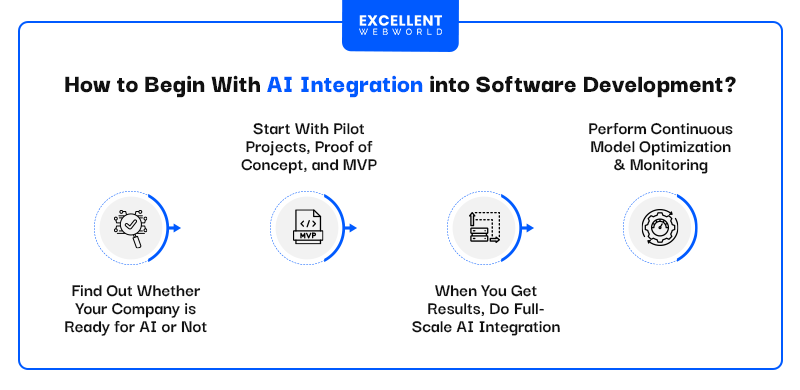
The agencies doing this right don't simply write code. They begin with discovery to understand your actual business troubles, not simply what you assume you require technically. They document whatever effectively so you're not locked in permanently. They build with modern heaps that other designers can maintain. They set up hosting atmospheres and implementation pipelines so updates don't damage manufacturing.
They're also honest about timelines. Customized development takes longer than templated builds. An advanced shopping system could be 3-6 months, not 6 weeks. AI combinations need time for testing and improvement. Any individual promising facility constructs in unrealistic timeframes is either lying or preparing to supply rubbish.
Great agencies also intend for maintenance from the first day. Customized websites need updates, safety and security patches, dependency upgrades, and periodic attribute enhancements. They set up monitoring, error monitoring, and backup systems. They document their code so your following programmer does not need to reverse-engineer every little thing.
The AI Advancement Learning Contour
Building AI-powered sites in 2025 requires frequently discovering brand-new tools and strategies. Models boost every couple of months. New APIs launch. Finest practices develop. Agencies that obtained comfortable with their technology pile in 2020 are currently behind.
This reveals up in proposition details. Are they speaking about particular versions and make use of instances, or just vague assurances regarding "" AI combination""? Do they recognize token limits, latency considerations, and expense monitoring? Have they constructed this previously, or are they intending to figure it out on your dollar?
The most effective firms treat AI as facilities, not attributes. They develop systems where you can exchange versions, readjust specifications, and repeat on motivates without code changes. They plan for situations where APIs are sluggish or inaccessible. They consider expenses at range, not just the demo.
Making the Right Agency Choice
Picking a web advancement agency isn't concerning discovering the most inexpensive option or the one with the prettiest profile. It's regarding finding people that've constructed what you're trying to construct, comprehend your technical requirements deeply, and can provide something that ranges with your organization.
Inquire about their technology stack and why they picked it. Ask to speak to previous customers with comparable complexity. Ask just how they deal with recurring maintenance and updates. Inquire about their development procedure, screening strategy, and how they take care of scope modifications.
The companies worth working with will ask you awkward questions regarding your business model, customer process, and technical constraints before proposing remedies. They'll press back on poor ideas and recommend options. They'll be straightforward concerning what's difficult and what's impossible.
If a company assures everything is easy and quick, run. Personalized development is neither. Done right, with people who understand what they're doing, it's the difference in between an internet site that's an expense facility and one that's in fact a growth engine.
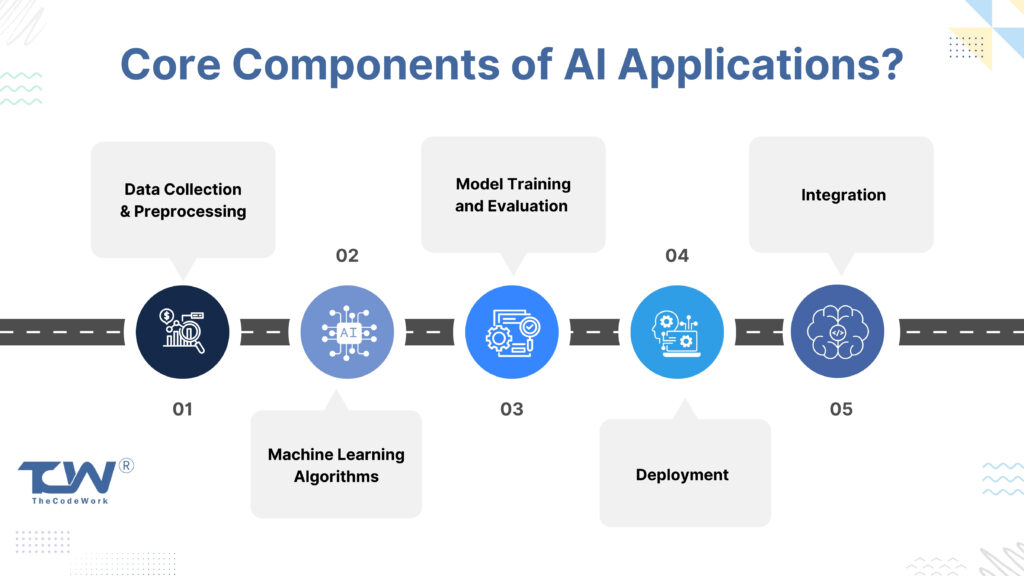

Table of Contents
- – The Brainless CMS Revolution No One Talks Rega...
- – What AI-Powered Really Way (Versus Marketing ...
- – Shopping Past Shopify Templates
- – List Building Sites That Don't Draw
- – Why Agencies Avoid Complex Constructs
- – The Build vs. Buy Calculation
- – What Excellent Development Agencies In Fact Su...
- – The AI Advancement Learning Contour
- – Making the Right Agency Choice
Latest Posts
High-Intent Keywords for Body shop in the Therapy Space
Growing an Subscriber Database Through Dent repair Efforts
The Behind-the-Scenes Side of Dent repair
More
Latest Posts
High-Intent Keywords for Body shop in the Therapy Space
Growing an Subscriber Database Through Dent repair Efforts
The Behind-the-Scenes Side of Dent repair